


Building your first home is exciting, but there are plenty of decisions to make before moving in. From choosing flooring and paint colours to planning your furniture, every detail helps turn your new house into a home.
One thing that’s easy to leave until the last minute is your window furnishings. Yet the right blinds, curtains or shutters can make a big difference to your home’s privacy, comfort and overall appearance.
So, how do you choose window furnishings for a new home? Start by looking at what each room needs. Think about privacy, natural light, insulation, your budget and how you want your home to look. Then compare the types of window coverings available and plan your measurements and installation around your build schedule.
This guide will help you make confident choices for every room in your new home.
Why Window Furnishings Matter in a New Home
Window furnishings do much more than finish off your windows. They help make your new home comfortable and practical from the day you move in.
Privacy and Light Control
Privacy is one of the first things to think about, especially if your new home has large windows, street-facing rooms or neighbours close by. Blinds and curtains allow you to control how much light enters a room while limiting views into your home.
For example, sheer curtains can soften bright daylight, while blockout blinds offer greater privacy and light control when closed.
It’s worth thinking about how each room will be used throughout the day. A living room might benefit from filtered natural light, while a bedroom may need a darker environment for sleeping.
Comfort and Energy Efficiency
Your windows can affect how warm or cool your home feels. During summer, direct sunlight through glass can increase indoor temperatures. In winter, heat can escape through windows, even in a newly built home.
Honeycomb blinds, lined curtains and other well-fitted coverings may help improve comfort, although the results depend on the window, product design, fitting and local climate.
Window furnishings work best as part of a wider approach that includes suitable glazing, insulation and shading.
Creating a Consistent Look Throughout Your Home
Window furnishings also influence how your finished home looks and feels. You don’t need to install the same blind or curtain in every room. Instead, choose colours, materials and finishes that work well together.
For example, you might select neutral roller blinds for bedrooms, soft curtains for the living room and moisture-resistant Venetians for the bathroom.
What Types of Window Furnishings Can You Choose?
There are several types of window furnishings available, and each has its own benefits. The best option depends on the room, the window size and how you plan to use the space.
Roller and Double Roller Blinds
Roller blinds are a popular choice for new homes because of their simple design and easy operation. They work well with modern interiors and are available in a wide choice of colours, patterns and fabric types. Depending on the material, roller blinds can provide light filtering, sunscreen protection or blockout coverage. Double roller blinds combine two blinds on one window, often pairing a sunscreen or light-filtering fabric with a blockout option.
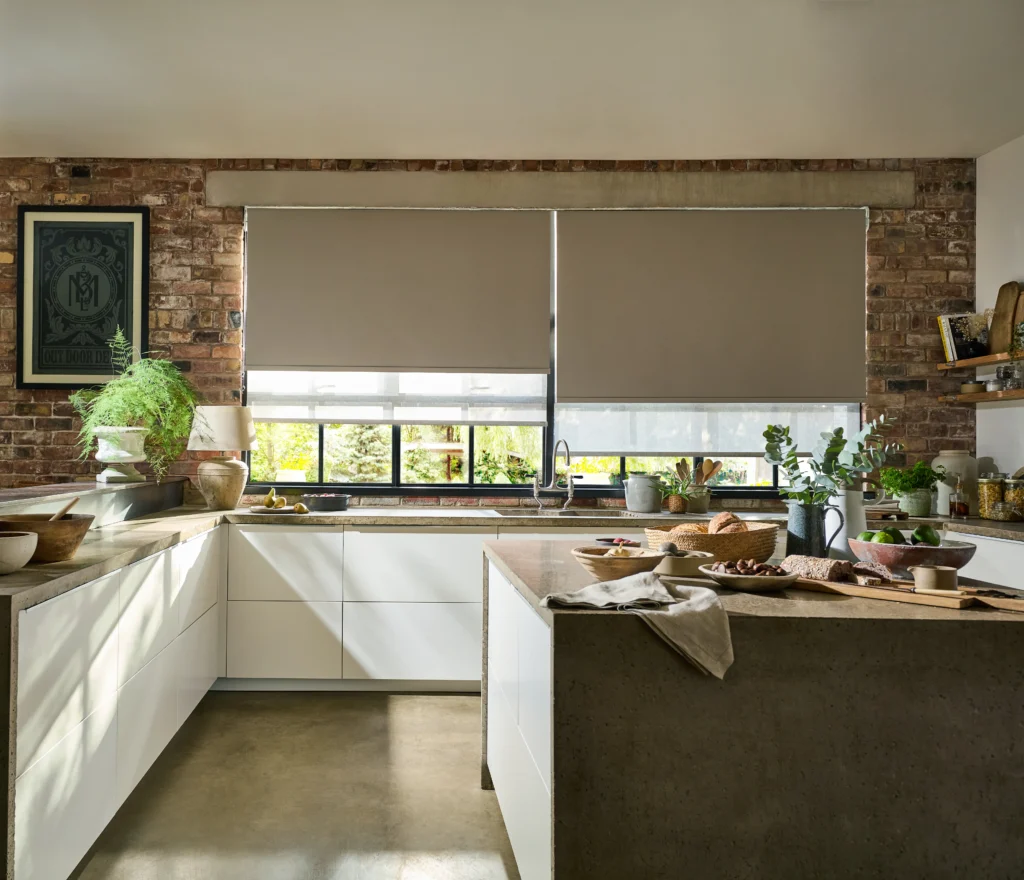
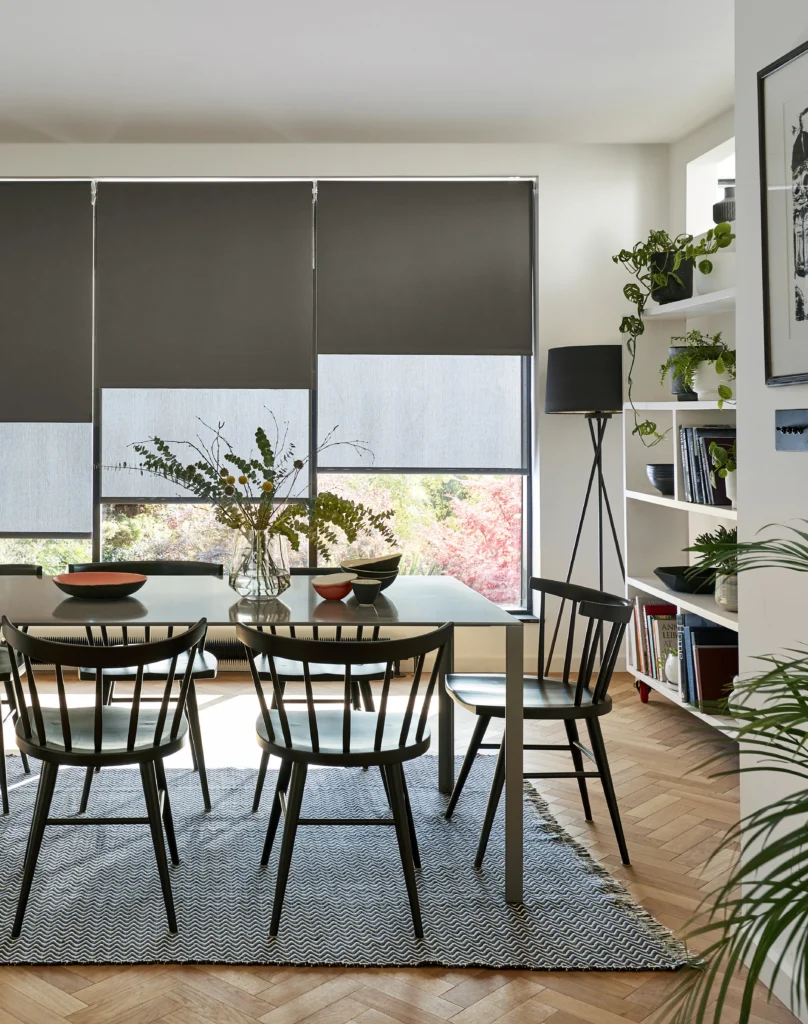
Best suited for: Bedrooms, living rooms, home offices and spaces where you want a neat finish.
Curtains and Sheer Curtains
Curtains can add softness, texture and colour to a new home. Sheer curtains allow natural light to enter while offering some daytime privacy. However, they generally provide limited privacy at night when interior lights are on. Blockout or lined curtains offer more coverage and can help reduce light entering a room. Floor-length curtains are worth considering for larger windows and open-plan living areas.
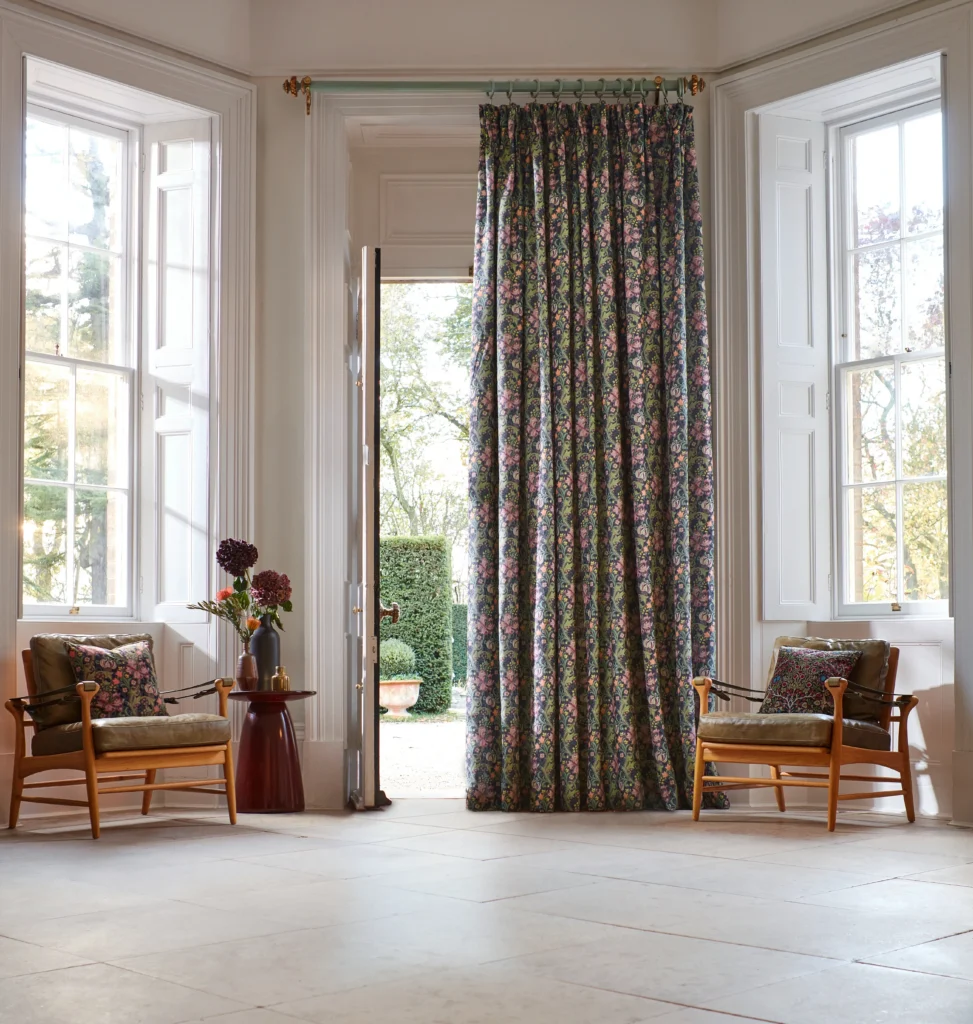
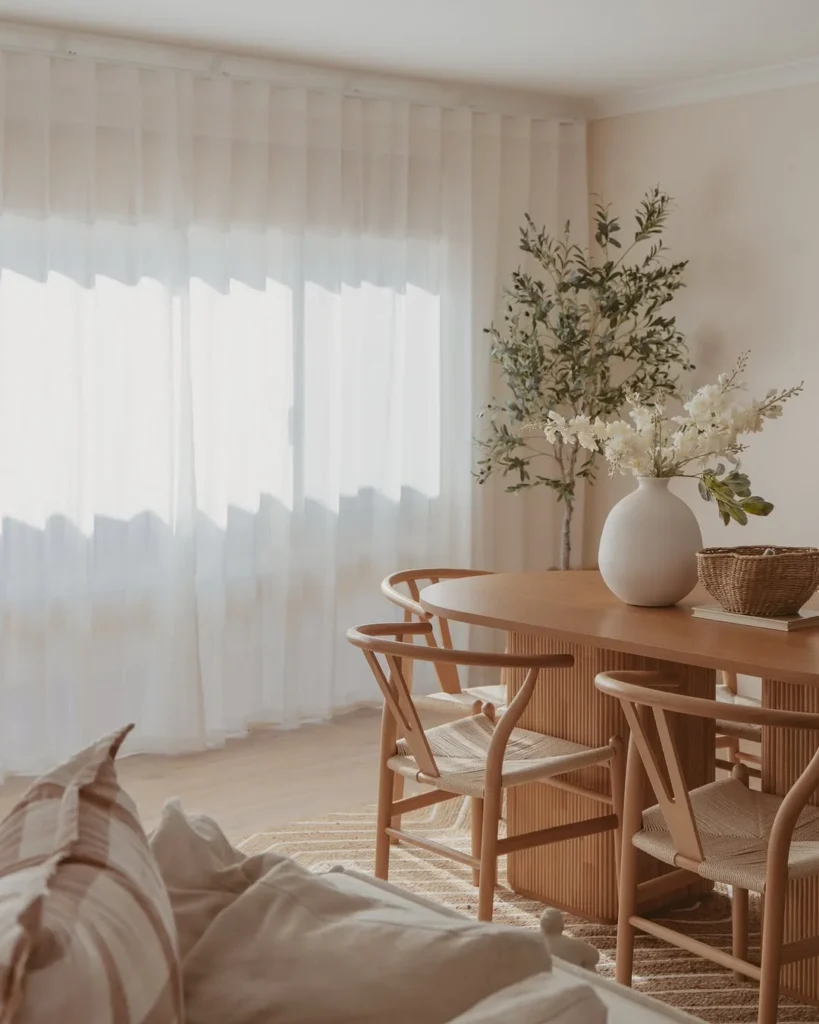
Best suited for: Living rooms, bedrooms and spaces where you want a softer appearance.
Venetian and Vertical Blinds
Venetian blinds feature horizontal slats that can be tilted to control light and privacy. Depending on the material, they can work in bedrooms, kitchens, bathrooms and living areas. Aluminium and suitable faux timber styles are worth considering in rooms where moisture resistance matters. Vertical blinds feature slats that hang from a track and can be rotated or drawn to the side.
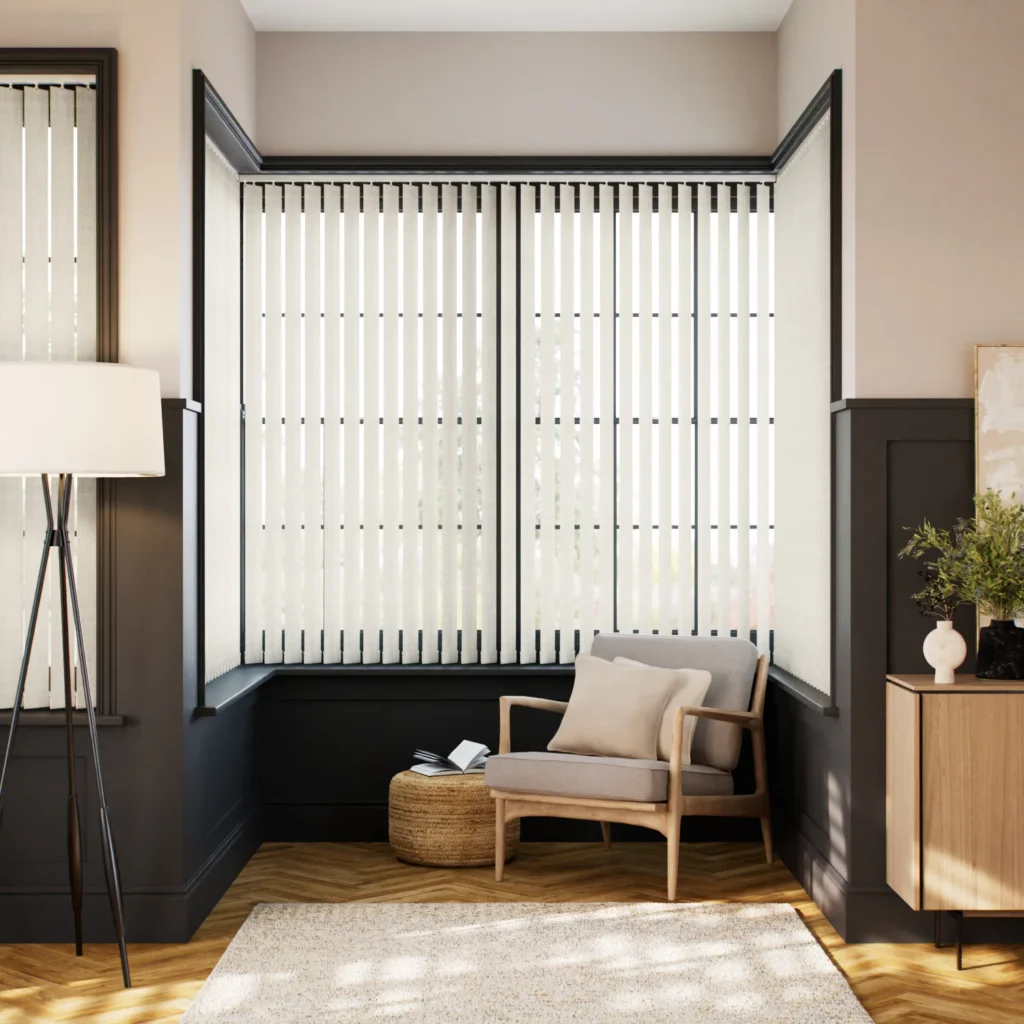
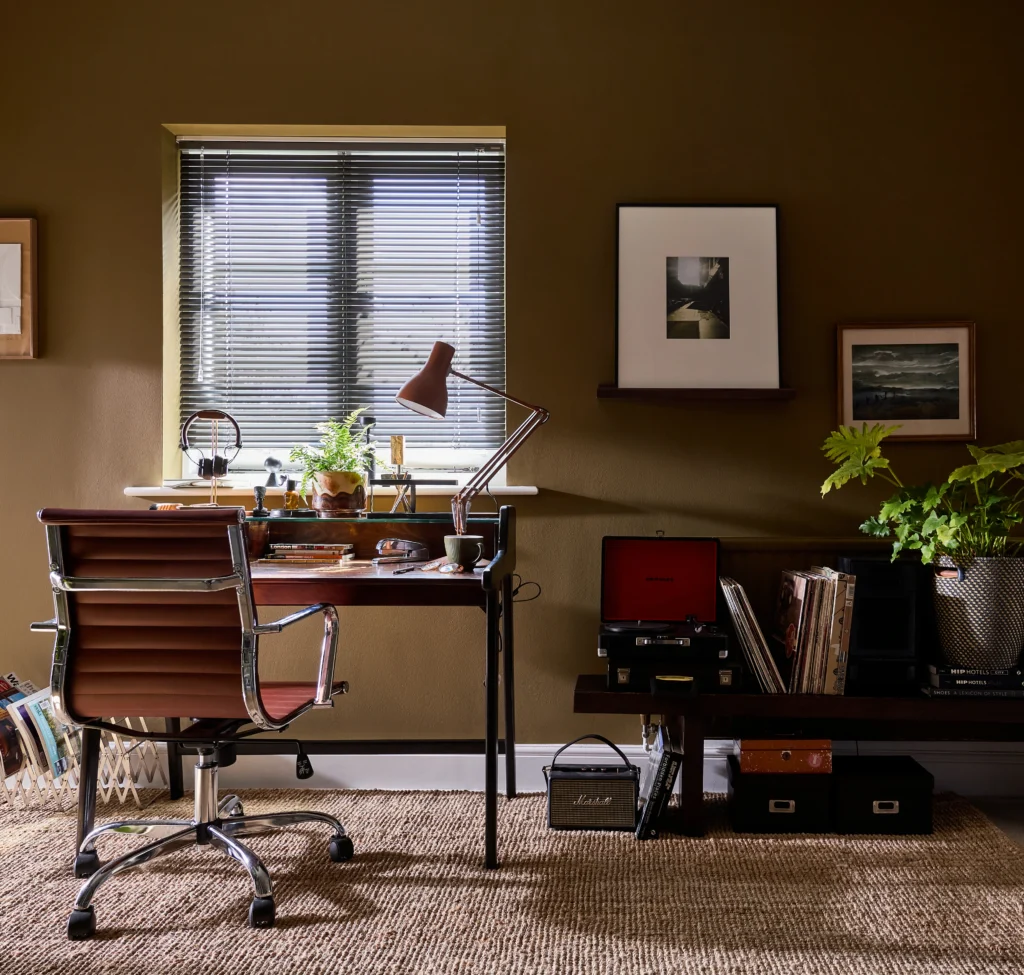
Best suited for: Kitchens, bathrooms, home offices, sliding doors and larger windows.
Roman and Honeycomb Blinds
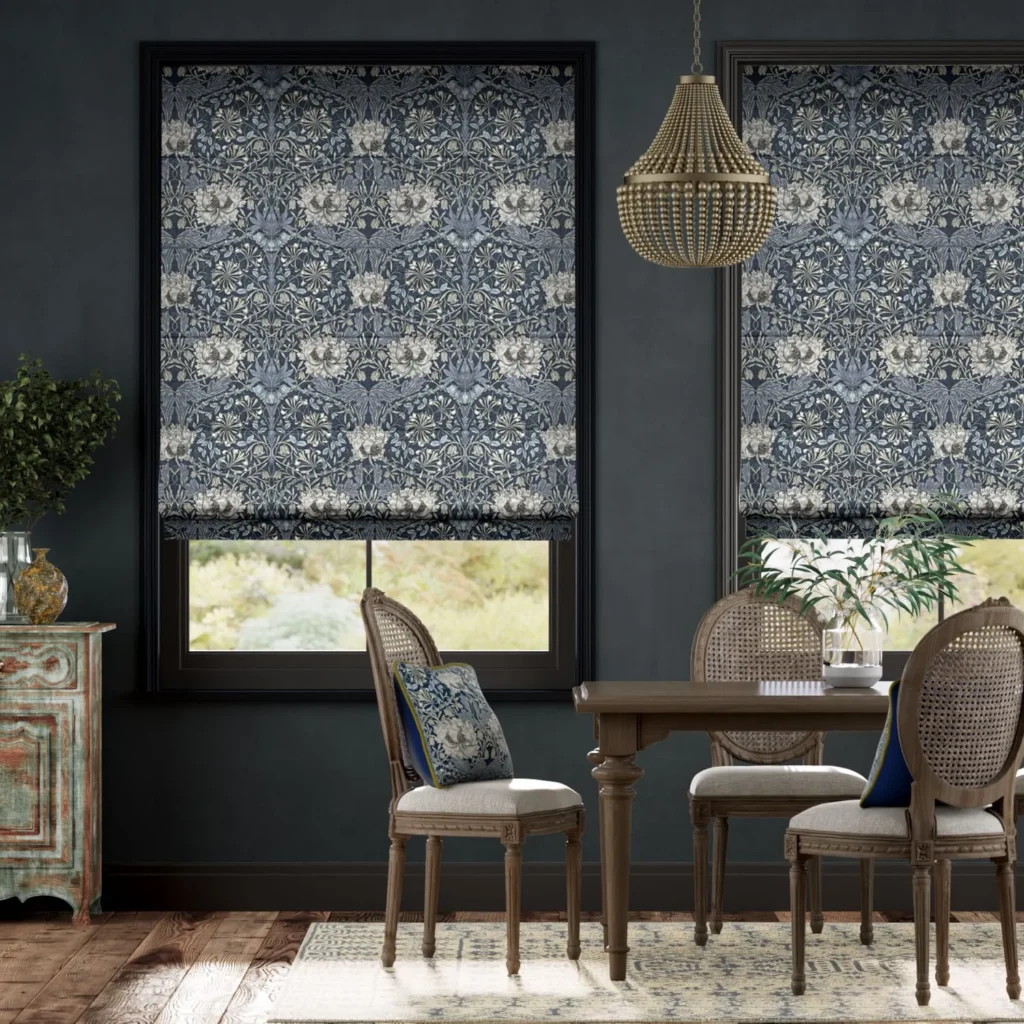
Roman blinds use fabric that folds into neat sections when raised. They offer a softer look than roller blinds and are available in different colours, patterns and lining options. Honeycomb blinds have a cellular structure that creates air pockets within the blind. These pockets can help slow heat transfer through the window.
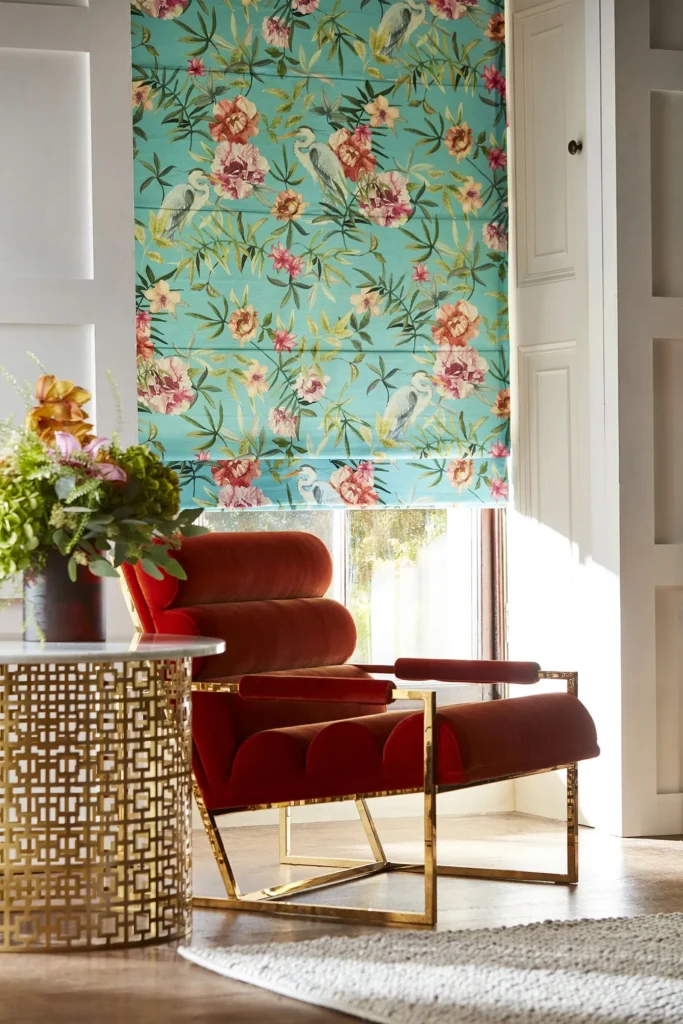
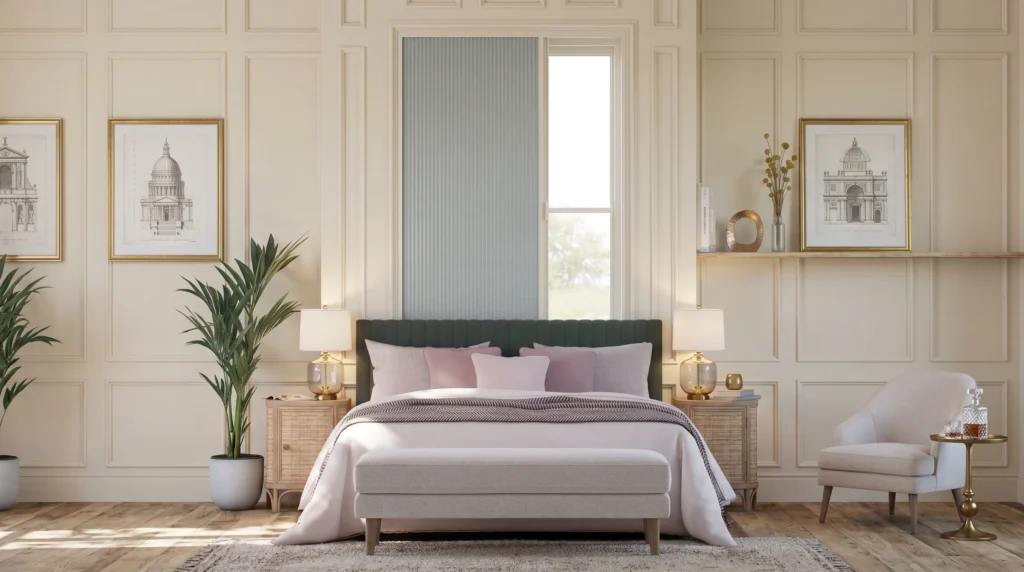
Best suited for: Bedrooms, living areas and rooms where extra thermal comfort is a consideration.
Plantation Shutters
Plantation shutters have adjustable louvres that allow you to control natural light, airflow and privacy. They offer a structured look and come in materials and finishes suited to different parts of the home. Before choosing shutters, check the space needed for the panels to open and whether they could interfere with window handles or furniture.
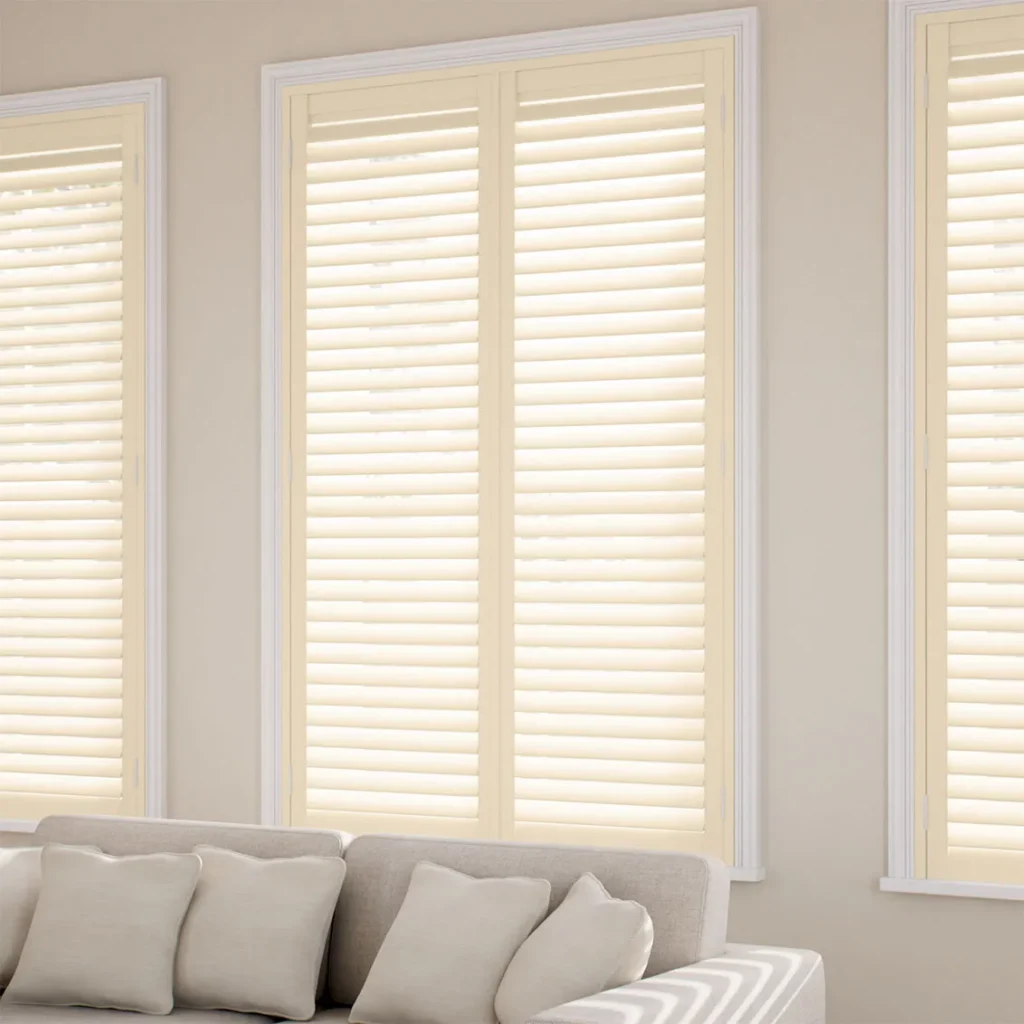
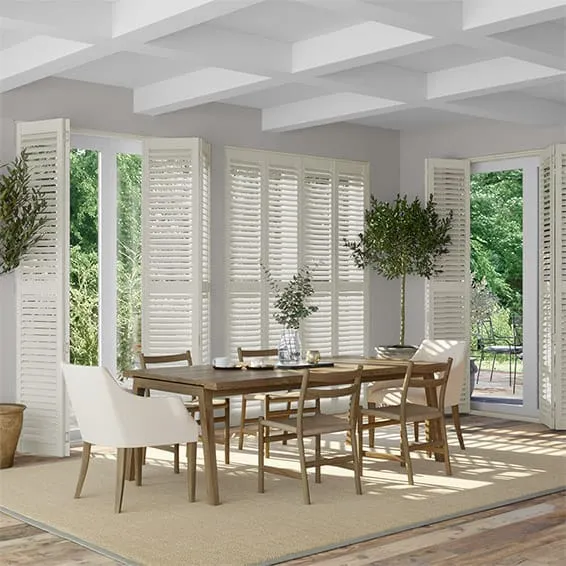
Best suited for: Living rooms, bedrooms, street-facing windows and selected bathrooms when using a suitable material.
Motorised Blinds
Motorised blinds let you open and close selected window coverings using a remote control or compatible smart system. They can be useful for high windows, large rooms and windows that are difficult to reach. All indoor motorised blinds use rechargeable batteries, while outdoor motorised blinds come with a plug and lead, so require access to a power outlet.
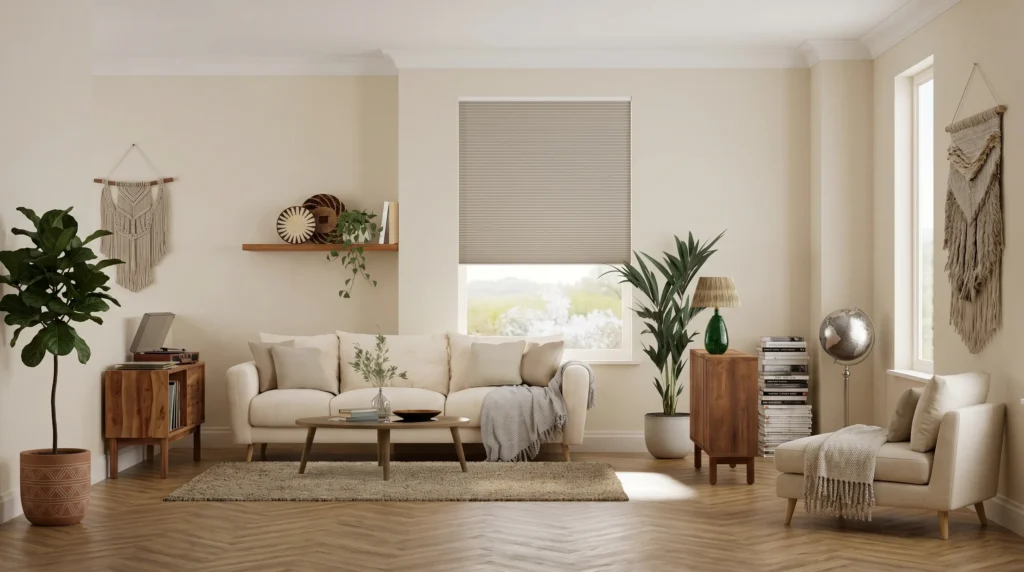
Best suited for: High windows, open-plan spaces, media rooms and homes where convenient operation matters.
You can explore the different product styles through the Blinds Online range of made-to-measure window furnishings.
How to Choose Window Furnishings for Each Room
Different rooms need different levels of privacy, light control and durability. Rather than choosing one style for your entire home, think about how each space will be used.
Living Room and Open-Plan Areas
Living rooms often have some of the largest windows in a new home. You may want plenty of natural light during the day while still being able to reduce glare and maintain privacy. Sheer curtains, sunscreen roller blinds and double roller blinds can work well in these spaces. For large glass doors, vertical blinds, panel blinds or curtains may also be suitable.
Bedrooms
Bedrooms generally need more privacy and light control than other rooms. Blockout roller blinds, lined curtains and suitable honeycomb blinds are useful options. If you’re a light sleeper, pay close attention to how the product fits around the window. Even blockout fabric can allow light through gaps around the edges.
Kitchen and Bathrooms
Kitchens and bathrooms need window furnishings that are practical and easy to care for. Bathrooms often experience high humidity, while kitchen windows may be exposed to steam, cooking residue and splashes. depending on the product’s specifications, aluminium Venetians, PVC roller blinds and moisture-resistant faux timber blinds may be suitable choices.
Children’s Bedrooms and Nurseries
Safety should be a key part of choosing furnishings for rooms used by young children. Cordless blinds and suitable motorised options can remove the need for accessible operating cords.
Sliding Doors and Large Windows
Sliding doors need coverings that provide privacy without making access difficult. Vertical blinds, panel blinds and curtains can be practical options because they can move to the side. Before ordering, check how much space the coverings will occupy when open. You should also check door handles, locks and the location of any curtain tracks or blind brackets.
When Should You Organise Window Furnishings During a New Home?
One common question among first-home buyers is whether to organise blinds and curtains before or after handover.
The best approach is to start planning early, but wait until the finished windows can be accurately measured before placing a made-to-measure order.
Plan Your Choices Before Handover
You don’t need to wait until the house is complete to start researching window furnishings.
During the build, you can:
- Decide which rooms need privacy from move-in day.
- Compare blinds, curtains and shutters.
- Choose colours and request samples.
- Set a window furnishing budget.
- Check whether curtain tracks or motorised products need early planning.
- Ask your builder about suitable fixing points and any installation limits.
Planning ahead means you’ll have fewer decisions to make during the busy handover period.
Take Final Measurements When Windows Are Ready
Accurate measurements are essential when ordering made-to-measure window furnishings. Final wall finishes, tiling and architraves can affect the space available, so don’t rely only on building plans. Once the relevant finishes are complete and the windows are accessible, measure them using the instructions for your chosen product.
Allow Time for Ordering and Installation
Made-to-measure blinds and curtains take time to manufacture and deliver. Check the estimated delivery information for each product before placing your order, especially if you’re hoping to have your furnishings ready for move-in day. If you plan to install the furnishings yourself, set aside time to read the instructions and complete the work safely.
DIY or Professional Installation: Which Is Right for You?
Installing your own window furnishings can be a practical, budget-friendly option for first-home buyers looking to save on costs. Our made-to-measure blinds are designed with DIY installation in mind, and we provide product-specific fitting guides to help you get started with confidence.
Prefer to leave it to the experts? We’ve partnered with Airtasker to make finding professional installation help easier. Whether you’re fitting blinds or curtains, you can connect with skilled local Taskers to get the job done. Simply purchase your window furnishings, and book your preferred Tasker through Airtasker.
Explore our Tuiss Blinds Online x Airtasker partnership to learn more and choose the installation option that works best for you.
Explore Window Furnishings for Your New Home with Tuiss Blinds Online
Choosing window furnishings for a new home doesn’t have to be stressful. Start with the rooms that need the most privacy, think about how natural light enters your home and choose products that fit both your style and budget. You can also mix different types of window furnishings to create spaces that feel comfortable and work for everyday life.
At Tuiss Blinds Online, you’ll find made-to-measure blinds, curtains and shutters in a wide range of styles, colours and finishes. If you’re unsure which fabric will work best, order free samples to compare options in your own home.
Frequently Asked Questions
1. What are the best window furnishings for a new home?
The best window furnishings depend on the room, your budget and how much privacy and light control you need. Roller blinds are a versatile option for many spaces, while curtains, honeycomb blinds and shutters offer different benefits. Compare the options using the Blinds Online product range before making your choice.
2. Should I choose blinds or curtains for my new home?
Blinds are often a good choice if you prefer a neat look and simple light control, while curtains can add softness and texture. You can also combine them, such as pairing sheer curtains with blockout blinds in a bedroom.
3. When should I measure for blinds in a new build?
It’s best to take final measurements once the windows and surrounding finishes are complete. Building plans may not reflect the exact finished dimensions, so measure each window before ordering. Use the Blinds Online measuring instructions for the specific fitting style you’re considering.
4. What window furnishings help keep a new home cool in summer?
Suitable honeycomb blinds, lined curtains and other close-fitting coverings can help manage heat transfer through windows. The results depend on your glazing, window direction and climate, and external shading is often more useful for stopping direct summer heat before it reaches the glass.
5. Can I install window furnishings myself?
Yes, many blinds and curtains are designed for DIY installation if you have the right tools and can safely complete the work. Follow the fitting instructions and check that the fixing surfaces are suitable.