




When looking for ways to make a home more comfortable and energy efficient, windows are often a good place to start. As one of the biggest sources of heat gain in summer and heat loss in winter, uncovered windows can have a significant impact on indoor temperatures.
That’s where energy efficient curtains can make a difference. While they won’t replace insulation or double glazing, the right curtains can help create an additional barrier at the window, reducing heat transfer and supporting a more comfortable home throughout the year.
From thermal linings to floor-to-ceiling installation, here’s how curtains can help improve comfort and contribute to a more energy-efficient home.
How Do Curtains Help Improve Energy Efficiency?
Curtains work by creating a layer between your room and the window. When closed, they trap a pocket of air between the fabric and the glass, helping to slow the transfer of heat.
In summer, curtains can help reduce solar heat entering the room through the window. In winter, they can help retain warmth by reducing heat loss through the glass.
While the level of performance depends on factors such as fabric choice, lining and installation, well-designed curtains can be an effective addition to an energy-conscious home.


The Best Curtain Linings for Energy Efficiency
Not all curtains provide the same level of insulation. Choosing the right lining can make a noticeable difference to comfort throughout the year.
Thermal Interlining
Thermal interlining is specifically designed to help reduce heat transfer through windows.
They add an extra layer of insulation behind the curtain fabric, helping to keep rooms cooler during summer and warmer during winter. For homeowners looking to maximise comfort, thermal linings are often a great choice.
One thing to note is that the interlining is like a thick quilt wadding. This adds a thickness to the curtain, however it doesn’t entirely blockout the light, letting some of the daylight glow through.
Blockout Linings
Blockout curtains are best known for their light control and privacy benefits, but they can also help improve thermal performance.
By providing a dense layer of fabric across the window, blockout curtains can assist in reducing heat transfer while also helping to darken bedrooms, media rooms and other spaces where light control is important.
Light Filtering Curtains
Light filtering curtains provide a softer approach to privacy and light control, but offer less insulation than thermal or blockout linings.
Although they won’t offer the same level of thermal performance as blockout or thermal-lined curtains, they can help diffuse harsh sunlight and improve comfort while allowing natural light to remain part of the room.
Why Curtain Installation Matters
The way curtains are installed can have a significant impact on their effectiveness.
In many cases, improving curtain coverage can be just as important as selecting the right fabric.
Mount Curtains Higher Than the Window
Installing curtain tracks or rods closer to the ceiling helps minimise gaps above the window where heat can escape or enter.
It also creates the illusion of taller ceilings and a more spacious room.
Extend Curtains Beyond the Window Width
Extending curtains beyond the edges of the window allows more of the glass to be covered when the curtains are closed.
This can help reduce heat transfer around the sides of the window while creating a fuller, more luxurious look.
Floor-to-Ceiling Curtains
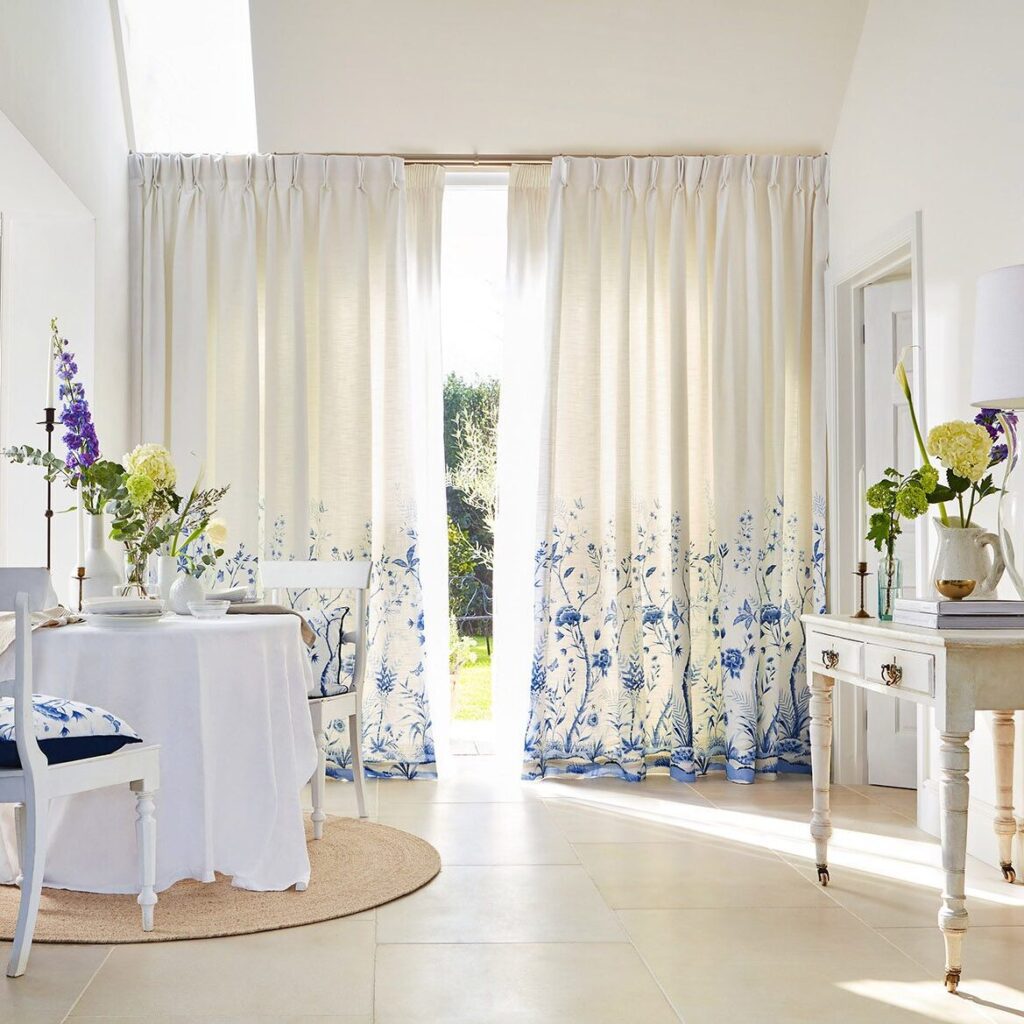
Floor-to-ceiling curtains provide maximum coverage and are often considered one of the most effective ways to dress a window.
By reducing gaps around the glass, they help create a more complete barrier while delivering a beautiful, designer-inspired finish.
Wall-to-Wall Curtains
For large windows, sliding doors and open-plan spaces, wall-to-wall curtains can provide exceptional coverage.
Not only do they create a sophisticated hotel-style aesthetic, but they can also help minimise exposed glass and support improved thermal performance.

Can Pelmets Help Improve Curtain Performance?
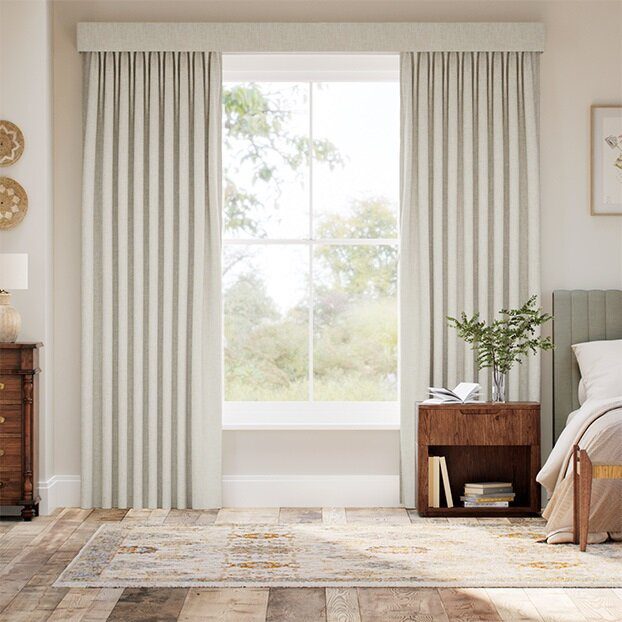
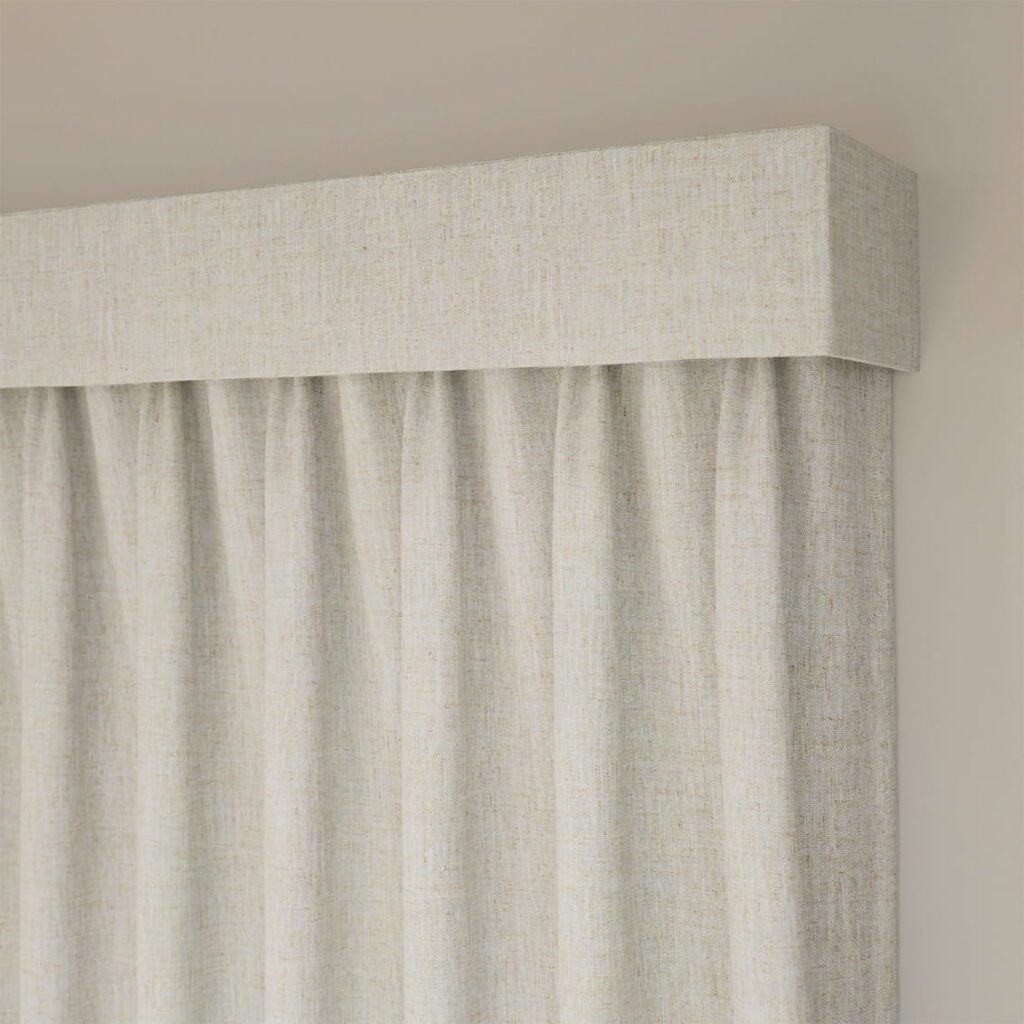
Pelmets have long been used to improve the effectiveness of curtains by covering the gap between the curtain and the wall. By reducing airflow around the top of the window, they can help minimise heat transfer and improve the overall performance of a window treatment.
Today, some modern curtain designs take this concept even further by incorporating features that help create a more complete seal around the window.
A Smarter Approach to Blockout and Insulation
Our Superior Blockout Curtains are designed with an integrated pelmet as part of the curtain system itself. This fabric-matched pelmet helps reduce light leakage at the top of the window while creating a more effective barrier between the glass and the room.
To further enhance performance, the curtains also feature discreet Velcro strips at the sides that attach the curtain edges closer to the wall. This helps minimise gaps where light and air can enter, supporting improved room darkening and thermal comfort.
The result is a curtain solution designed to deliver exceptional blockout performance while helping to create a more comfortable environment throughout the year.
Energy Efficiency Tip: Consider Your Window Orientation
The direction your windows face can influence how much heat enters or escapes your home throughout the year.
North-Facing Rooms
North-facing windows receive the most consistent sunlight throughout the day in Australia.
Double curtains can be a great choice here, allowing you to enjoy natural light through sheer curtains while using blockout curtains when additional insulation or privacy is needed.
West-Facing Rooms
West-facing rooms often experience the harshest afternoon sun and can become uncomfortably warm during summer.
Blockout curtains, thermal linings and pelmets can help manage heat gain and improve comfort during the hottest part of the day.
East-Facing Rooms
East-facing rooms receive morning sun and tend to be cooler later in the day.
Light filtering curtains are often a popular choice for living areas, while bedrooms may benefit from the added light control of blockout curtains.
South-Facing Rooms
South-facing rooms typically receive the least direct sunlight and can feel cooler throughout the year.
Thermal linings, blockout curtains and generous window coverage can help create a warmer, more comfortable environment.

Which Curtains Are Best for Different Rooms?
Different spaces often have different priorities when it comes to comfort and energy efficiency.
Bedrooms
For bedrooms, blockout curtains or thermal-lined curtains can help create a comfortable sleeping environment while supporting temperature control throughout the year.
Living Rooms
Double curtains combine style and practicality, offering the softness of sheers during the day and the insulation benefits of blockout curtains when needed.
Cooler Rooms
Rooms that feel cold during winter may benefit from thermal linings and floor-to-ceiling installation to maximise insulation.
Large Windows and Sliding Doors
Wall-to-wall curtains are often one of the most effective solutions for covering expansive areas of glass while maintaining a cohesive look.
Small Changes That Can Make a Big Difference
If you’re looking to improve comfort at home, a few simple adjustments can go a long way:
- Choose thermal or blockout linings where appropriate
- Install curtains as close to the ceiling as possible
- Extend tracks or rods beyond the window width
- Consider wall-to-wall coverage for large windows
- Add a pelmet to help reduce airflow behind the curtain
- Layer sheer and blockout curtains for greater flexibility
- Open curtains to capture winter sunshine and close them again after sunset
- Close curtains before the hottest part of a summer afternoon to help reduce solar heat gain
Frequently Asked Questions
Do curtains help reduce energy costs?
Curtains can help improve a home’s thermal performance by reducing heat transfer through windows. This may contribute to a more comfortable indoor environment and support overall energy efficiency.
What are the most energy efficient curtains?
Thermal-lined curtains, blockout curtains and double curtain combinations are often considered among the most effective options for improving insulation at the window.
Are blockout curtains energy efficient?
Yes. In addition to providing privacy and light control, blockout curtains can help reduce heat transfer through windows by creating an insulating barrier.
Do thermal curtains work in summer?
Yes. Thermal curtains can help reduce the amount of solar heat entering a room during warmer months while also helping retain warmth during winter, while allowing a small amount of light through the fabric.
Are pelmets worth it?
Pelmets can help improve the performance of curtains by reducing airflow around the top of the window and helping to minimise light leakage. Some modern curtain systems like the Superior Blockout Curtain from Tuiss incorporate pelmet-style designs and side-sealing features to create a more complete barrier between the window and the room, supporting both room darkening and thermal comfort.
Should curtains touch the floor?
Floor-to-ceiling curtains often provide better coverage and can help minimise gaps around the window, supporting both thermal performance and a more luxurious appearance. We often recommend your curtains float about 15mm off the floor so they maximise thermal performance, while sitting perfectly and not gathering dust or pet hair.
Creating a More Comfortable Home with Energy Efficient Curtains
Energy efficient curtains can be a simple yet effective way to improve comfort throughout your home. By choosing the right lining, maximising window coverage and considering features such as pelmets, floor-to-ceiling installation and double curtains, you can create a window treatment that works harder all year round.
Whether you’re updating a single room or furnishing an entire home, thoughtful curtain choices can help you enjoy greater comfort, better light control and a more energy-conscious living space. Explore our full range of curtains online today.